LCL Cargo Services
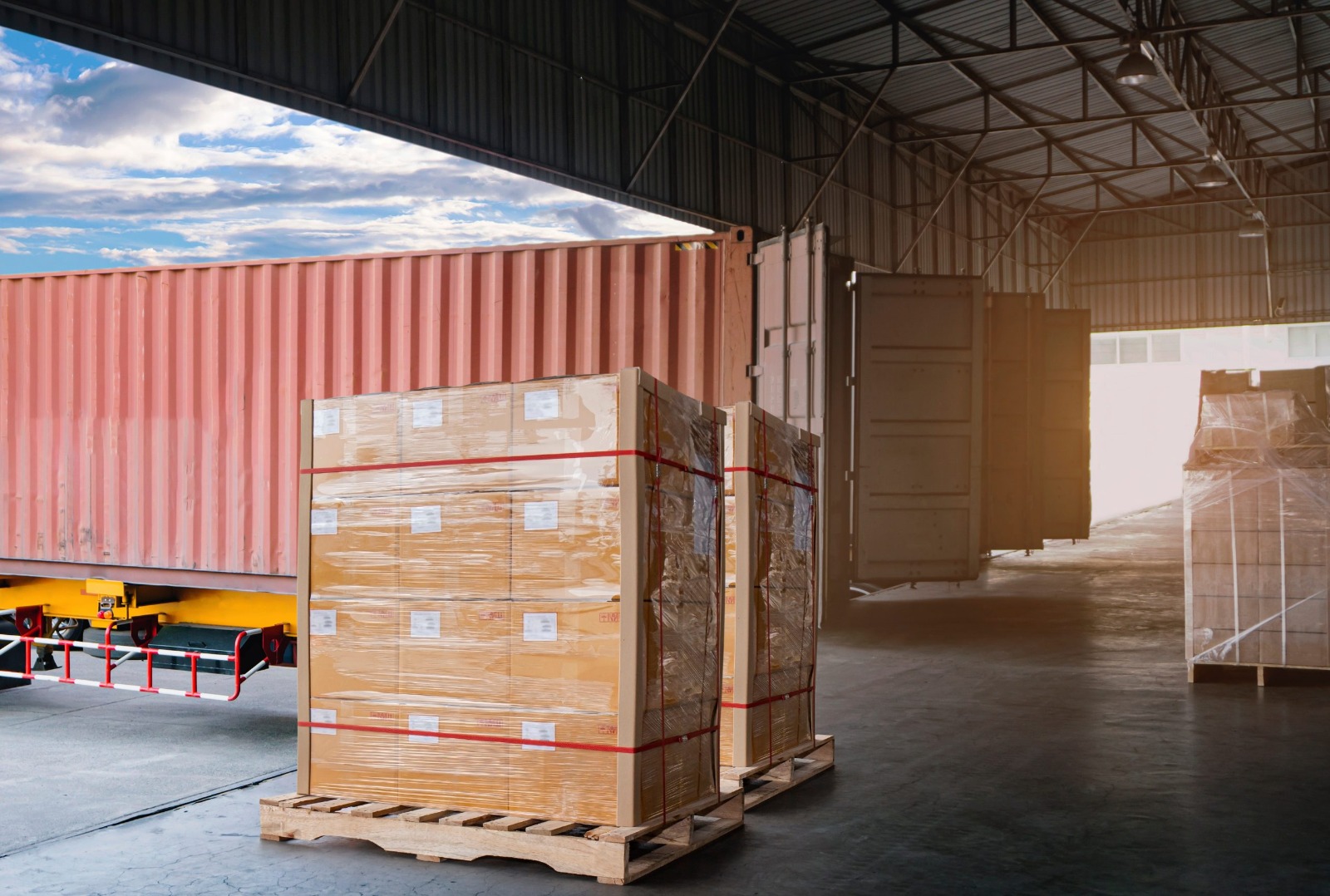
When it comes to container shipping, services are typically categorized as FCL/FCL (Full Container Load), LCL/LCL (Less than Container Load), and other variations.
LCL (Less than Container Load) shipping allows multiple shippers to share space within a single container. Each shipper pays only for the portion of the container they use, making it an efficient and cost-effective option for smaller shipments that do not require a full container.
How LCL Cargo Works
In an LCL shipment, cargo from several shippers and consignees is consolidated into one container. These shipments are managed not by individual shippers, but by specialized LCL operators or cargo consolidators.
Depending on the country, LCL cargo may be handled either by a shipping line or a freight consolidator. Shippers deliver their goods to a Container Freight Station (CFS), where the LCL operator sorts, tags, and consolidates cargo bound for the same destination.
Once sufficient cargo is gathered, the operator loads and ships the consolidated container. Each shipper then receives an individual Bill of Landing, which may be:
A Direct Bill of Landing issued by the carrier, or
A House Bill of Landing issued by a freight forwarder, NVOCC, or consolidator.
The LCL operator assumes responsibility for the cargo from the CFS at the load port to the CFS at the discharge port, including handling and packing — except where otherwise stated in the operator’s trading terms.
LCL Cargo Routing and Transit Time
In some countries, shipping lines may offer direct LCL services only to major ports. For broader destination coverage, it’s often best to work with a freight consolidator or groupage operator.
Consolidators may route shipments through hub ports to optimize efficiency.
For instance:
LCL cargo from Los Angeles to Singapore may move directly.
However, LCL cargo bound for a less common destination (e.g., Ouagadougou) may first be routed via Singapore, where it’s consolidated with other cargo before final shipment.
As a result, LCL shipments can sometimes take longer than FCL shipments.
For example, if an FCL takes 45 days to reach Ouagadougou, an LCL may take up to 60 days due to additional handling and consolidation at transit hubs.
LCL Cargo Charges and Considerations
Freight charges for LCL shipments are calculated based on the volume or weight of the cargo (whichever is greater), typically measured per revenue ton.
Because LCL containers may be reworked or handled multiple times during the consolidation process, additional handling and service charges may apply from the shipping line or consolidator.
Why Choose MFCS Cargo for LCL Shipping
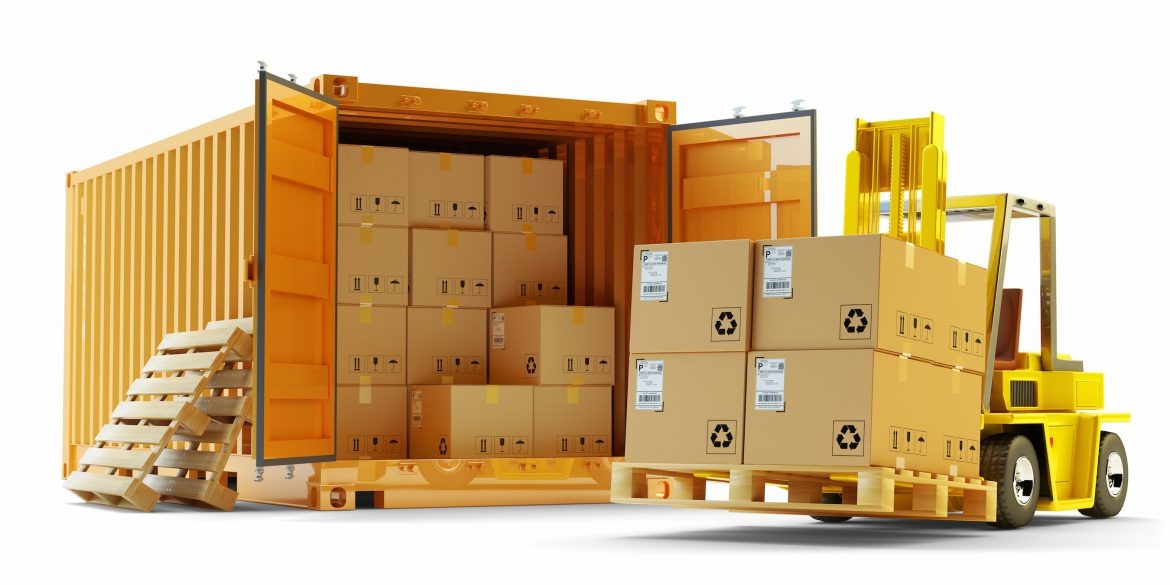
At MFCS Cargo, we combine global reach with operational expertise to offer smooth, transparent, and dependable LCL cargo services.
Our team ensures:
Efficient consolidation and deconsolidation processes.
Transparent pricing with no hidden costs.
Reliable transit times and cargo safety.
Real-time updates and proactive customer support.
Whether you’re shipping small consignments or need flexible logistics solutions, MFCS Cargo provides a smarter way to move your goods — efficiently and economically, anywhere in the world.